

Play Therapy in Calgary for Children (Ages 4–17)
Your child doesn't have to figure out big feelings alone.
Play therapy is an evidence-based approach that helps children to communicate, explore feelings, and resolve difficulties through play rather than words alone. Because children often lack the words to fully express complex emotions, play becomes a powerful tool for healing and growth.
Our play therapy sessions are delivered by a Registered Play Therapist* and help children work through anxiety, anger, trauma, and big life changes in a way that feels natural to them!
*Please note that Celeste is not currently accepting new clients.

What parents come to us for:
Every child is different, but most parents who reach out to us describe something like this: their child is struggling, and the usual approaches aren't working. Here are the most common reasons families come see us.
Anxiety and excessive worry - Refuses school, clings to parents, worries constantly, or has physical symptoms like stomach aches with no medical cause.
Big Emotions and Meltdowns - Explosive outbursts, difficulty calming down, or emotions that seem disproportionate to the situation.
Behaviour and Anger - Hitting, biting, defiance, or aggression that's affecting home life, school, or friendships.
Withdrawal & Low Mood - A child who has become quieter, less engaged, or seems sad and disconnected from things they used to enjoy.
Social Struggles - Difficulty making or keeping friends, trouble reading social cues, or feeling like they don't belong.
How Play Therapy Works
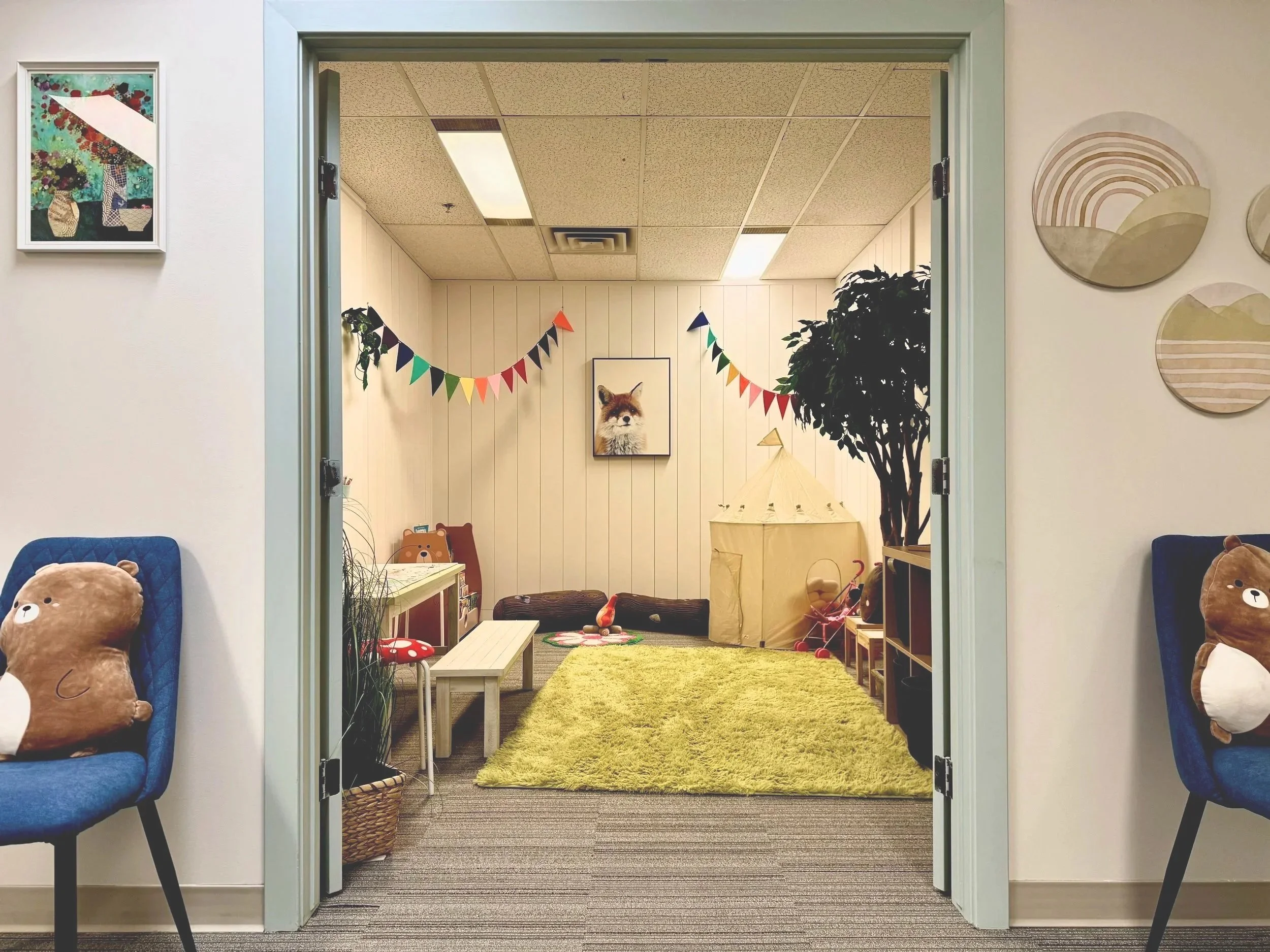
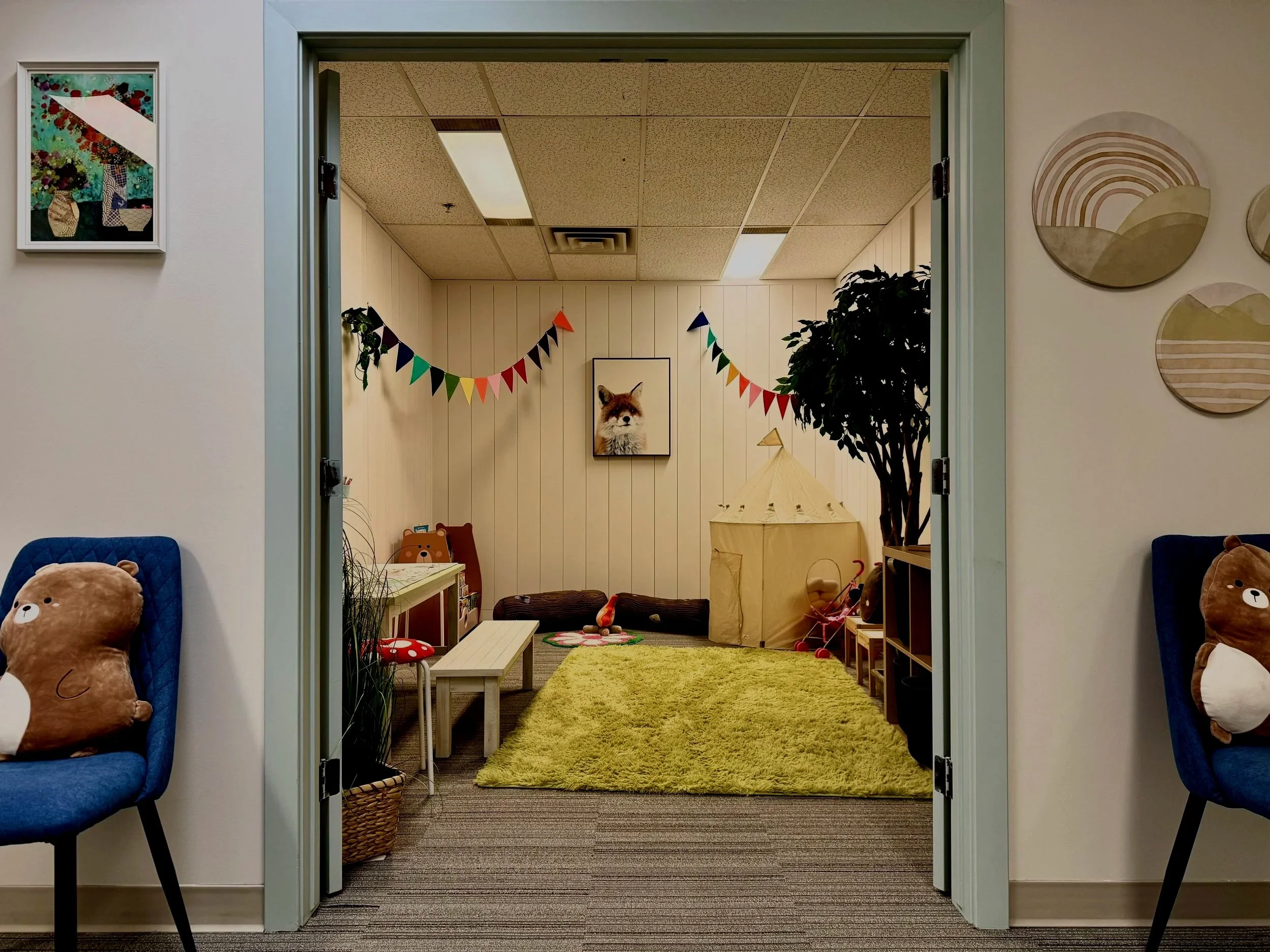
A play therapy room isn’t just a random collection of toys. Everything in it is chosen on purpose!
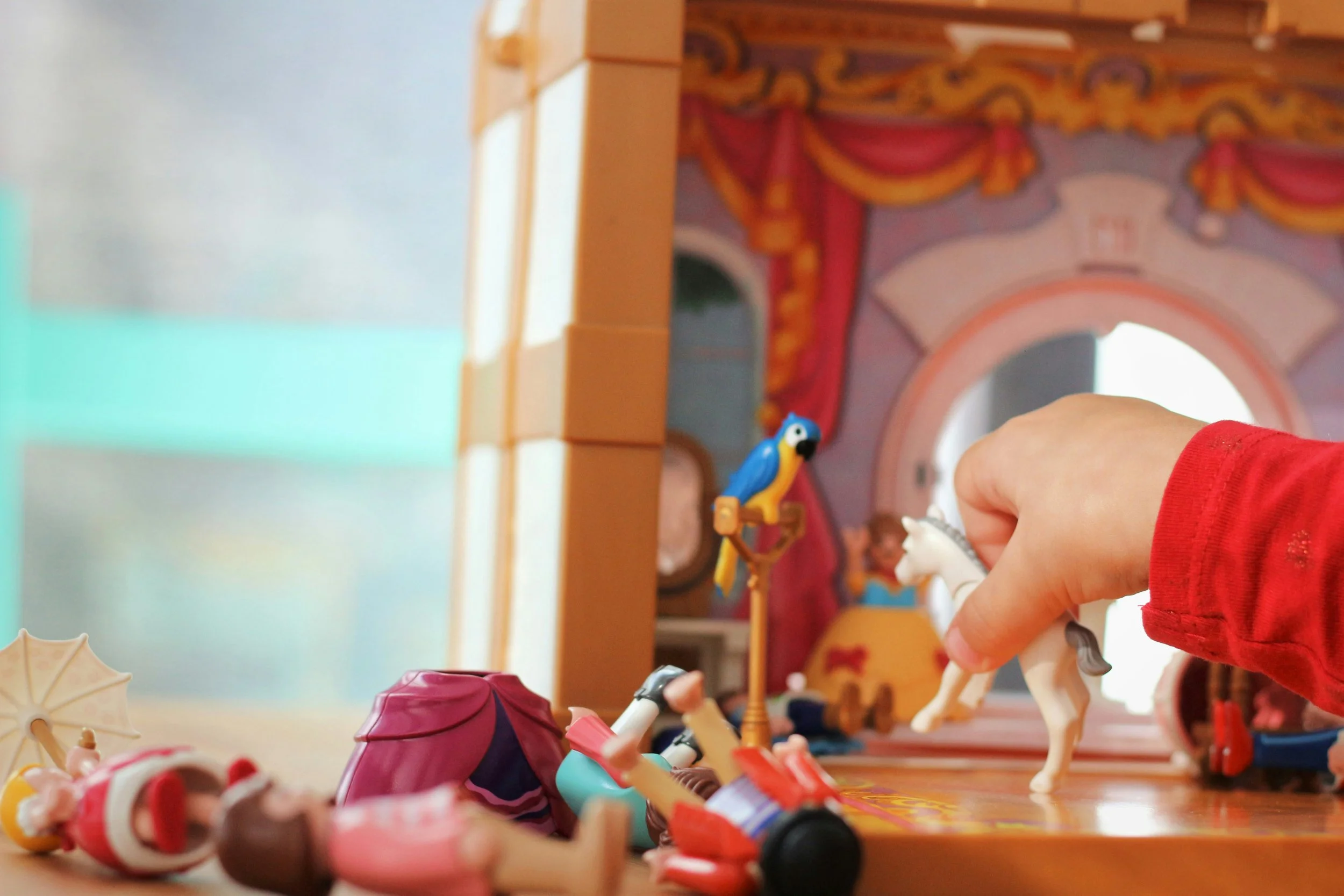
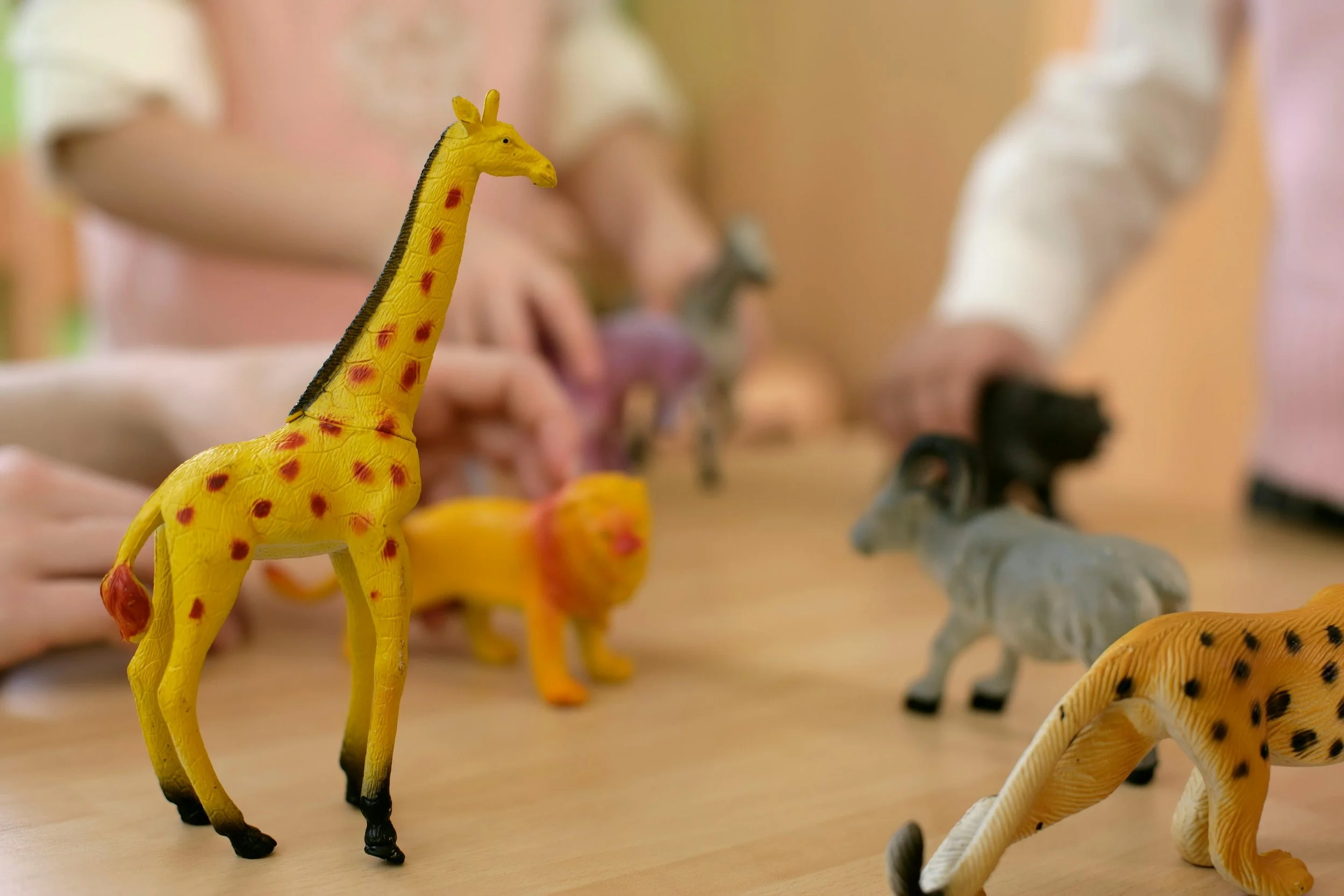
You’ll find things like dolls, puppets, art supplies, mini-figures, sand trays, and games, but they’re not there just to keep kids busy. These tools give children a way to express what’s going on inside, especially when they don’t have the words for it.
Our Registered Play Therapist may either follow your child’s lead in play or gently guide activities like role-play and storytelling, depending on what your child needs. No matter the approach, the goal is the same: helping your child feel safe, supported, and able to work through challenges in their own way.
Why Play Works Better Than Talking For Many Kids
One of the biggest misunderstandings about therapy is the idea that it’s all about talking. That falls apart pretty quickly when you think about young kids.
Children don’t naturally sort through their experiences with words. They’re still learning how to name feelings, understand what causes what, and make sense of what’s going on inside them. So when something stressful happens, they don’t sit down and explain it. They show it.
Play therapy works because it meets kids where they are. Instead of pushing them to communicate like adults, it gives them space to express themselves in their own way, while a Registered Play Therapist pays attention in a way most adults never learn to.
Our Approach to Play Therapy
We use a holistic and integrative approach, combining multiple therapeutic modalities to support your child’s emotional and psychological well-being.
Movement-Based Therapy
Movement helps children release stress, regulate their nervous system, and reconnect with their bodies. Activities may include interactive games, sensory-based movement, and mind-body awareness exercises
Art Therapy Techniques
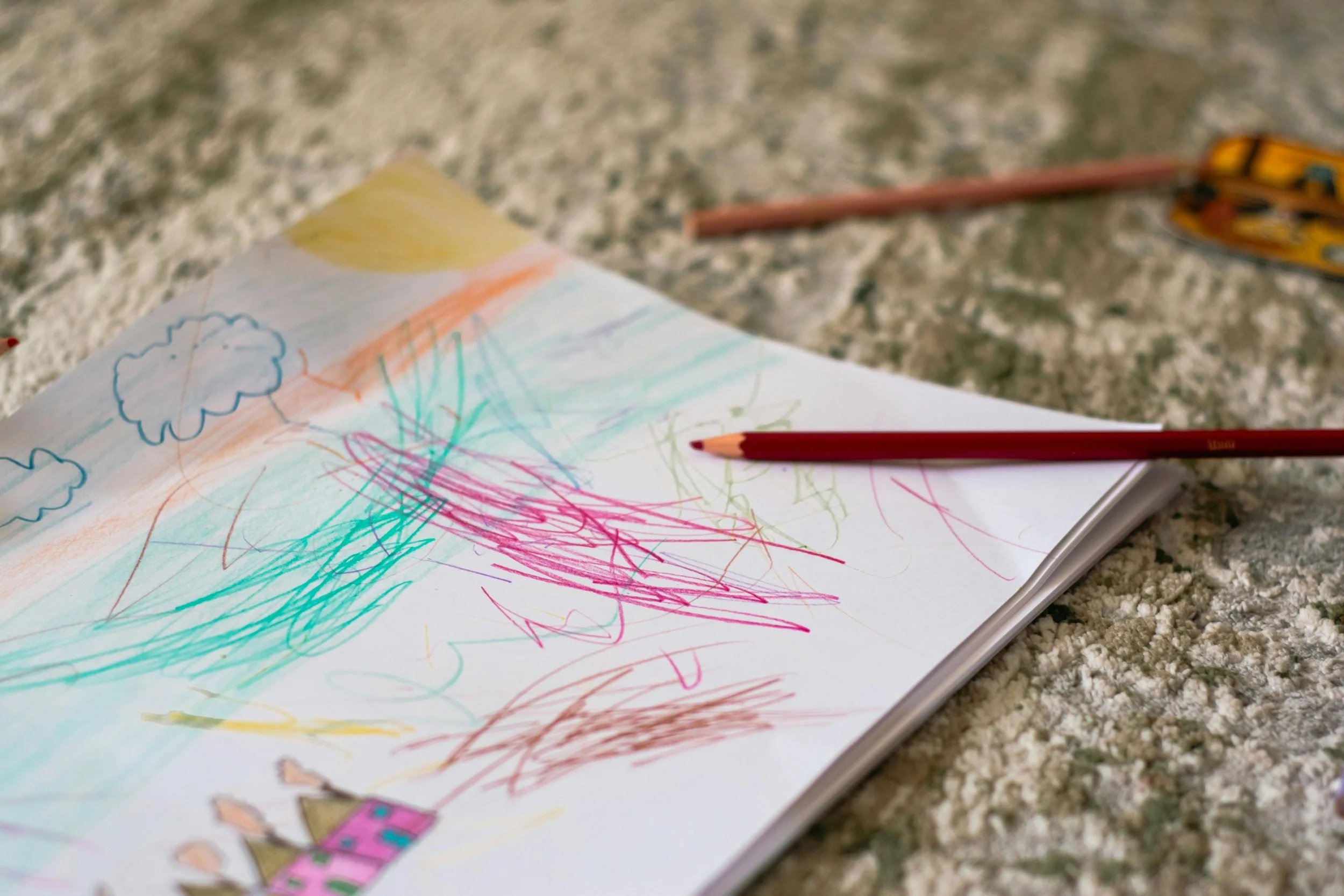
Creative expression through art helps children explore emotions safely and meaningfully. This may include drawing and painting, creative crafts, and symbolic expression
Sand Tray Therapy
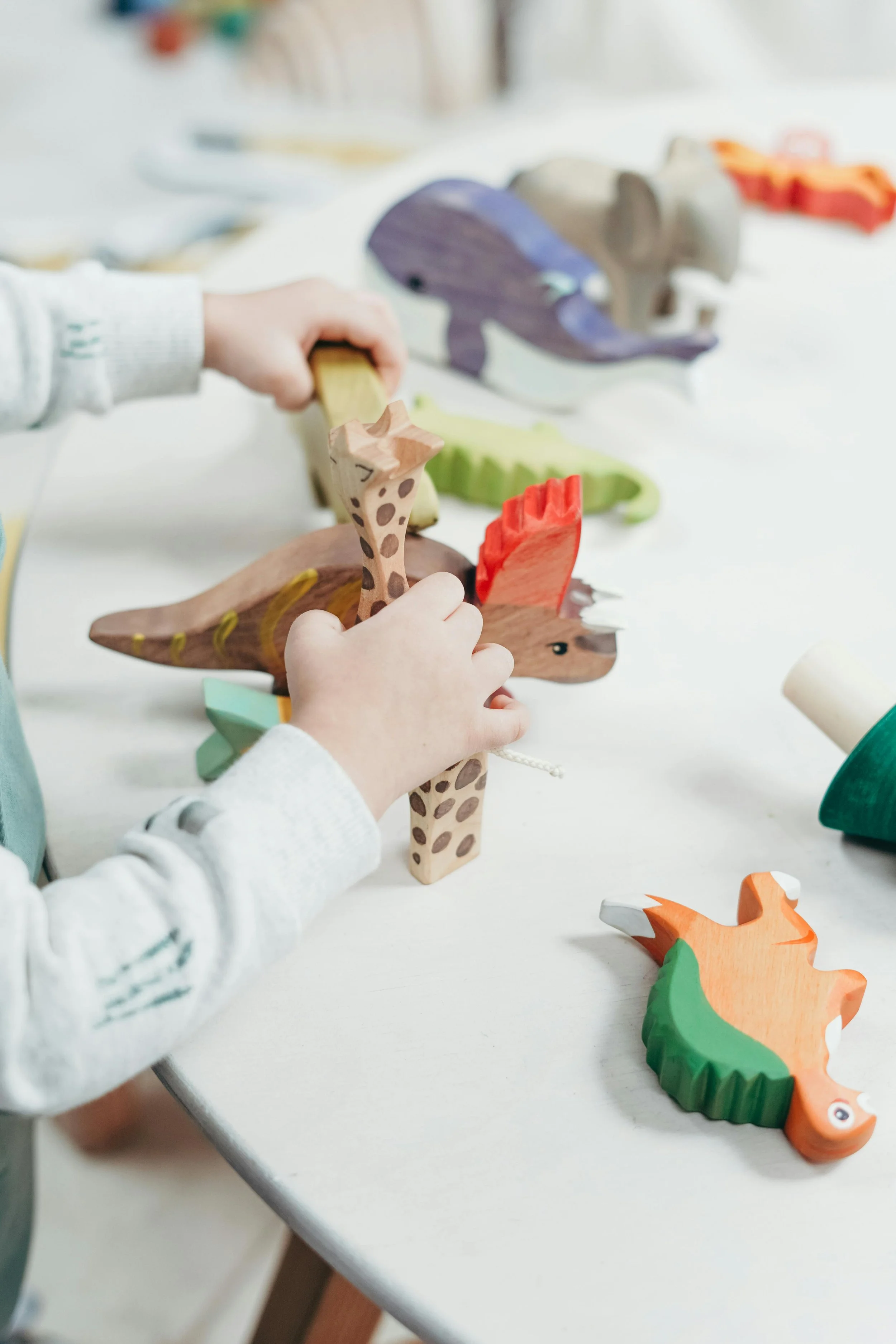
Sand tray therapy allows children to create scenes using miniature figures in a tray of sand, offering a powerful way to express subconscious thoughts, process trauma or anxiety, and tell stories without words
Therapeutic Play
Play is at the heart of everything we do. Using toys, storytelling, role-play, and imagination, children can practice social skills, work through fear, build confidence, and develop emotional insight

What to Expect from Play Therapy
Starting therapy can feel like a big step for both you and your child! Our goal is to make the process clear, supportive, and comfortable from the very beginning. Here’s what you can expect when beginning play therapy at Bluebird Psychology:
Initial Parent Intake Meeting
Therapy begins with a parent-only intake session, where we take the time to understand your child’s unique needs, strengths, and challenges. During this meeting, we’ll discuss:
Your child’s emotional, social, and developmental history
Current concerns (such as anxiety, behaviour, or life transitions)
Family dynamics and environment
Your goals for therapy
This session allows us to gather important background information and create a personalized treatment plan tailored to your child.
Child Play Therapy Sessions (50 Minutes)
Your child will attend 50-minute play therapy sessions. During these sessions, they will engage in carefully selected play-based activities such as:
Creative arts (drawing, painting, crafts)
Sand tray and sensory play
Imaginative play and storytelling
Games that support emotional expression and regulation
Each session is guided by our Registered Play Therapist who follows your child’s lead while gently supporting emotional growth, problem-solving, and self-expression. Over time, this process helps children build confidence, process difficult experiences, and develop healthier ways of coping.
Ongoing Parent Consultation
We believe that parents are an essential part of the therapeutic process. To keep you informed and supported, we offer parent consultation meetings after every 5 child sessions.
These consultations provide an opportunity to:
Discuss your child’s progress and emerging themes in therapy
Share insights into your child’s emotional world
Offer practical strategies you can use at home
Adjust goals or approaches as needed
This collaborative approach ensures that therapy extends beyond the playroom and into your child’s everyday life.
A Supportive, Child-Centered Approach
Every child moves through therapy at their own pace. Some children may begin expressing changes quickly, while others need more time to build trust and feel safe. Throughout the process, we focus on creating a consistent, nurturing environment where your child feels understood and accepted.
Our goal is not just short-term improvement, but lasting emotional resilience and well-being.
Fee for Play Therapy
50-minute sessions are billed at $240. You may be able to have the cost of play therapy reimbursed by your insurance provider, either partly or in full. Please check directly with your provider for more information.

Through sessions, children can:::
-
Children are given a supportive, non-judgmental space where they can communicate emotions and experiences freely through play, even when they don’t have the words to explain them.
-
Through guided play and therapeutic techniques, children learn how to identify, understand, and manage their emotions in healthier and more adaptive ways.
-
As children experience success, validation, and acceptance in therapy, they begin to build a stronger sense of self-worth and confidence in their abilities.
-
Play therapy encourages children to explore different solutions, think creatively, and develop flexible strategies for handling challenges in everyday life.
-
Using symbolic play and creative expression, children can work through challenging life events, such as loss, trauma, or change, in a way that feels safe and manageable.
-
Through interactive play and guided experiences, children learn important social skills such as communication, empathy, cooperation, and building healthy relationships with others.
Frequently Asked Questions About Play Therapy
-
Play therapy is a specialized form of child therapy that uses play, art, storytelling, and creative expression to help children communicate emotions, process experiences, and develop coping skills in a developmentally appropriate way.
-
Our play therapy is available for children between 4 and 17 years old. Play Therapy looks different for each age group. Younger children may prefer a greater focus on play while older children and teens can benefit from expressive or creative therapy approaches
-
In play therapy, children use toys, art materials, games, and imaginative play to express thoughts and emotions they may not yet have the language to describe. A registered play therapist observes patterns, gently guides the process, and helps the child build emotional insight and coping strategies.
-
A typical session may include:
Free play with toys or figurines
Art or drawing activities
Role play or storytelling
Emotion identification exercises
Gentle therapist guidance to support emotional expression
Sessions are designed to feel safe, predictable, and non-threatening for children.
-
The length of play therapy varies depending on the child’s needs. Some children show improvement in a short amount of time, while others with more complex concerns may benefit from longer-term support. Progress is typically reviewed regularly with caregivers.
-
Yes! Parents and caregivers are an important part of the process. Play therapy includes:
Regular parent consultations
Progress updates
Parenting strategies to support behaviour at home
Guidance on emotional co-regulation
-
A Registered Play Therapist (RPT) is a mental health professional who has completed advanced, specialized training in play therapy techniques and child development.
Why this matters:
✔ It ensures the therapist has formal, accredited play therapy training
✔ It demonstrates clinical competency with children’s emotional and developmental needs
✔ RPT’s use evidence-based play therapy models, not informal or unstructured play
✔ It provides safer, more effective treatment outcomes
✔ It is regulated through professional standards and ongoing education
Choosing a Registered Play Therapist helps ensure your child is receiving care from someone specifically trained to interpret and guide therapeutic play, not just general counselling with toys.
-
Yes! Play therapy is supported by research in child psychology and is widely used in clinical settings. It is particularly effective for children who struggle to express themselves verbally.
-
Unlike traditional talk therapy, play therapy is designed for children who may not yet have the emotional vocabulary for conversation-based therapy. It uses play as the primary communication tool, making it more natural and effective for younger clients.
-
Your child may benefit from play therapy if they are showing:
Sudden behavioural changes
Frequent emotional outbursts
Withdrawal or sadness
Difficulty coping with stress or transitions
Trauma-related symptoms
Ongoing anxiety or fears
Meet Our Play Therapist!
Celeste Rodrigues-Forbes
Registered Clinical Social Worker · Registered Play Therapist™

Celeste has a gift for connecting with children who feel things deeply - kids who struggle with big emotions, worry more than they should, or find the structure of school genuinely hard. She creates a space where children don't have to explain themselves with words. Instead, they can just play.
She works primarily with children and youth experiencing anxiety, emotional regulation difficulties, perfectionism, school avoidance, and behavioural challenges. Her approach is warm and unhurried, following each child's lead while gently supporting them to build confidence, process difficult experiences, and develop skills that carry into everyday life.
Celeste's sessions are built around the tools children understand best: play, expressive arts, sandtray, and storytelling. She also works closely with parents throughout the process , not just updating them on progress, but giving them practical strategies to strengthen connection and navigate challenges at home.
She holds a Master of Social Work from the University of Calgary and has trained extensively in play therapy through the Rocky Mountain Play Therapy Institute. Her additional training includes Adlerian Play Therapy, trauma-informed practice, and parent consultation approaches.
Celeste is not currently accepting new clients.
Start with a free 15-minute phone consultation
Not sure if play therapy is right for your child? We get it - most parents aren't. Our free consult is an opportunity to talk through what's going on and see whether we're the right fit.
Have questions?
We’re here to help!
Email us: office@bluebirdpsychology.ca
Call us: (587) 288-6884Schedule a free 15-minute consultation with one of our psychologists here.
We are located at 277, 200 Rivercrest Dr. SE in Calgary, AB