

Psychoeducational Assessments
in Calgary - for Children, Teens & Adults
Everyone has areas of strength and areas of need. Sometimes, those areas of need get in the way of success. Psychoeducational testing can help you understand why you or your child is having academic difficulties or why they are displaying social, emotional, or behavioural challenges. Knowing how you or your child learns will lead to tools and strategies that can help enhance success at school, at home, and in the community.
At Bluebird Psychology, our psychologists provide comprehensive psychoeducational assessments for children, teens, and adults in Calgary, AB. These evaluations help identify learning strengths, challenges, and underlying factors that may be impacting academic, work, or daily functioning.

What Is A Psychoeducational Assessment?
A psychoeducational assessment looks at how your child's brain takes in, processes, and uses information. It combines standardized testing with a detailed history and input from the people who know your child best, to explain not just what your child struggles with, but why, and what actually helps.
These assessments can identify learning disabilities such as dyslexia or dysgraphia, clarify how attention and executive functioning are affecting school, and show how emotional or behavioural factors may be part of the picture. The goal is always a strengths-based understanding that your family and your child's school can actually use.
Why Families Come To Us For An Assessment
Maybe your child has been complaining that school is too hard for them. Or, maybe you’ve noticed that they’re not where they should be academically. Maybe they are struggling emotionally, exhibiting challenging behaviours, or are demonstrating symptoms of inattention or hyperactivity. These are only some of the things that families, schools, and adults often seek assessments to look at:
Learning Differences
Reading, writing, or math that doesn't match effort or ability
Trouble decoding words or spelling (possible dyslexia)
Difficulty getting thoughts onto paper (possible dysgraphia)
Slow processing speed during schoolwork
A gap between how bright your child seems and how school is going
Attention & Executive Functioning
Losing track of instructions or materials
Trouble starting, organizing, or finishing tasks
Big differences in focus between preferred and non-preferred tasks
Homework battles that go on far longer than they should
Concerns raised by teachers about attention or hyperactivity in class
Social, Emotional or Behavioural Functioning
Anxiety or big emotions tied to school performance
Behaviour that shifts noticeably between home and school
Difficulty with peer relationships or social problem solving
Mood or motivation changes that started alongside academic struggles
A need to understand how emotions and learning are connected
Determine Eligibility for Special Education Programs or Accommodations
Documentation needed for an Individualized Program Plan (IPP)
Formal identification for special education coding
Support requesting classroom accommodations like extra time or a private room to write exams
A written record that the school team can build a plan around
Clarity on what supports actually match your child's needs
Post-Secondary & Workplace Accommodations
Documentation required by colleges and universities for accommodated testing
Support applying for extended time or assistive technology
Records needed for a workplace accommodation request
A report that meets institutional documentation standards
Planning ahead before starting post-secondary or a new job
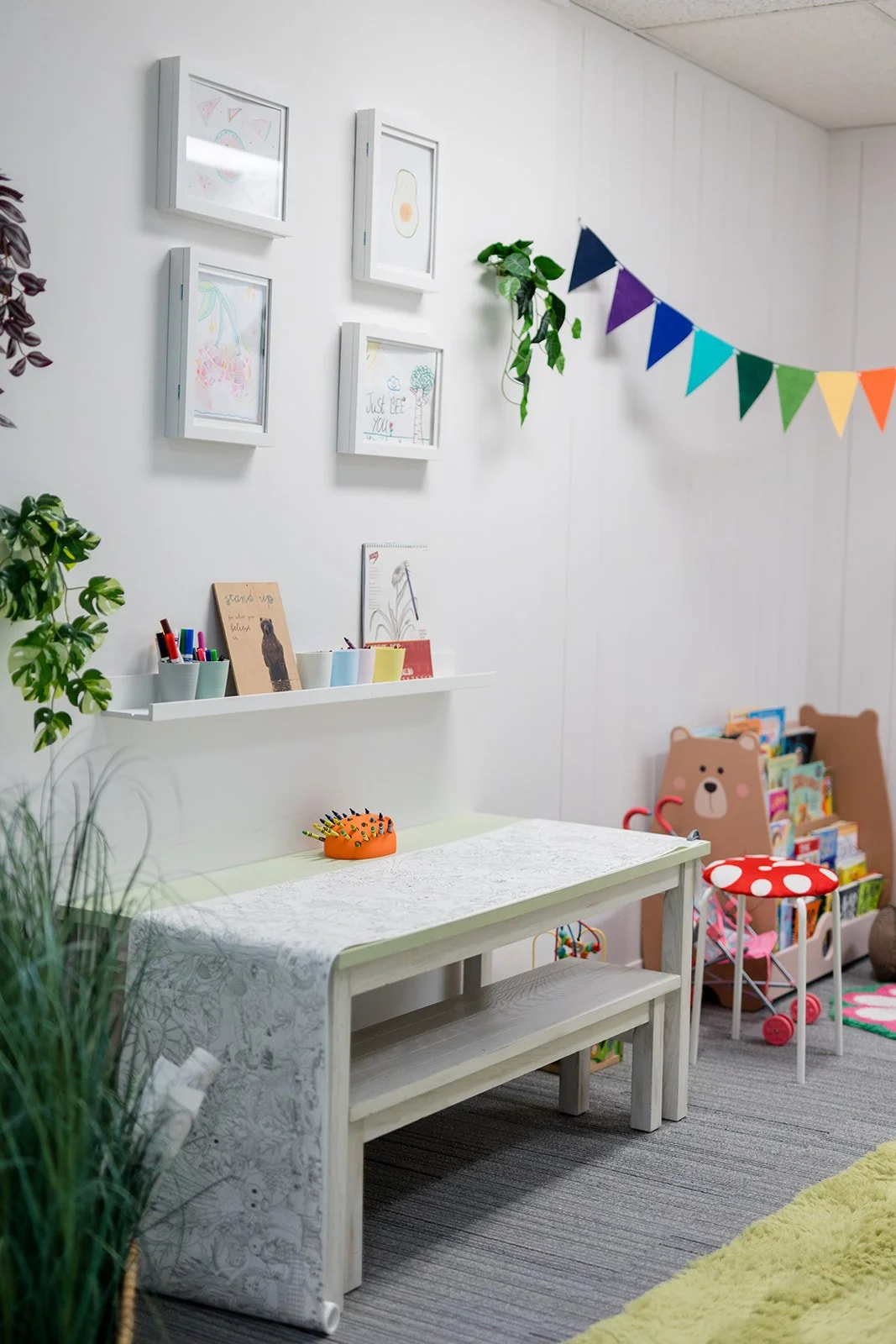
The Psychoeducational Assessment Process + What to Expect
A psychoeducational assessment begins with a parent meeting with a Registered Psychologist or Registered Provisional Psychologist to discuss your child's developmental, medical, and learning history.
Your child’s report cards, relevant schoolwork, and any previous assessment reports will also be reviewed. Then, your child will come to the office for two separate one-on-one testing sessions to measure their cognitive and academic skills. You and their teacher may also be asked to complete questionnaires.
Once all information is gathered, a meeting is scheduled to review results and discuss recommendations. You will receive a comprehensive written report and tailored recommendations on how you and your child's school can support their learning.
At the end of the assessment process, you’ll walk away with a greater understanding of how your child learns and what they need to succeed.

Ages We Help Support:
Children (Ages 6–12) – Assessments are tailored for a child’s developmental stage and learning needs to help with early intervention
Teens (Ages 13–18) – Assessments at this age can help with high school learning plans, exam accommodations, and transition planning.
Adults (18+) – Adult psychoeducational assessments can help support workplace success, post-secondary education, and personal growth.
Assessment Fee
Psychoeducational assessments are billed at a flat rate of $3,000.
We can direct bill most insurance providers in Alberta, and many extended health insurance plans cover psychological assessments either partially or in full.
Payment can also be made in full at the initial parent meeting, or split across two payments - the first at intake and the second at the feedback meeting.
Frequently Asked Questions

-
Your child may benefit from an assessment if:
You, or their teacher, have noticed that they are struggling to meet academic expectations.
They are putting in considerable effort at school but progress in one or more areas is slow.
Their mood or behaviour is significantly impacting their daily lives.
They are struggling with inattention, hyperactivity, or impulsivity.
They are complaining that schoolwork is too difficult.
They do not want to go to school or are disengaged from school.
You want to understand their learning profile and how to best support them.
-
You will gain a deeper understanding of how your child learns, which will lead to strategies that help support their unique learning needs.
A diagnosis can also help to access additional support, accommodations, or program modifications at your child’s school.
Depending on the diagnosis, you may also share the report with your general practitioner, pediatrician, or other health professionals to help with treatment planning.
-
No, at Bluebird Psychology, your child works with their psychologist throughout the entire assessment process. From the initial parent intake meeting through to the testing sessions, questionnaires, and feedback meeting, you have continuity with the same psychologist from start to finish. We don't use psychometrists or pass files between team members. The psychologist who meets your family at the beginning is the same person who writes your report and delivers your results.
-
Many parents find it helpful to tell their child that they will be doing a number of different brain games and some reading, writing, and math activities to see how they learn best.
On the day of testing, make sure your child has had a good meal beforehand, a good sleep, has taken any medication they need, and is wearing any required glasses or hearing aids.
Children are also welcome to bring snacks and water to enjoy during breaks in testing.
-
Parent intake meetings and feedback sessions can be held in person or virtually via confidential video conferencing. Testing sessions are conducted in person at the office.
-
It is recommended that children do not attend the parent meetings. These meetings are an opportunity to meet privately with the psychologist to discuss your concerns, receive results, and ask questions. If desired, an additional child-friendly feedback meeting can be arranged following the completion of the assessment.
-
Yes, adults often inquire about having a psychoeducational assessment done!
Adult psychoeducational assessments are often sought to help acquire post-secondary or GED supports and accommodations or for PDD/AISH applications.
Assessments can also be done for adults who are simply curious about their learning profile or wonder whether they have an undiagnosed learning disorder or ADHD.
If you would like more information about an adult psychoeducational assessment, contact us for more information.
-
The full process typically takes 6–10 weeks from your initial intake meeting to receiving your written report. This includes the parent intake, two testing sessions with your child, time for questionnaires to be completed by parents and teachers, scoring and report writing, and the feedback meeting. However, timelines can vary depending on how quickly questionnaires are returned and current scheduling availability.
-
A psychoeducational assessment is broader - it looks at cognitive ability, academic skills, attention, behaviour, and social-emotional functioning to give a full picture of how your child learns. An ADHD assessment focuses specifically on attention, hyperactivity, and impulsivity. If ADHD is your primary concern, a standalone ADHD assessment may be the right starting point. If there are broader learning concerns alongside attention difficulties, a full psychoeducational assessment is usually more appropriate. Not sure which fits your situation? Our free 15-minute consultation can help you decide.
-
A psychoeducational assessment is valuable regardless of whether it results in a formal diagnosis. Many families come away with a clearer understanding of their child's learning profile, including their strengths, their challenges, and the specific strategies that help them learn best - even when no diagnosable condition is identified. The report will always include recommendations tailored to your child's individual profile.
-
Yes - for teens and adults, our reports meet the documentation requirements for most Canadian post-secondary institutions. Universities and colleges typically require a psychoeducational assessment completed within the last five years by a registered psychologist. If you have a specific institution's requirements, contact us before booking, and we can confirm whether our report will meet them.
-
Yes - cognitive testing is included in every psychoeducational assessment, which means giftedness can be identified as part of the process.
If your primary goal is gifted program testing for the CBE GATE program or Westmount Charter School, a standalone gifted assessment is a more targeted and cost-effective option.
If you have some additional concerns you would like explored, a psychoeducational assessment is comprehensive and covers cognitive abilities, academic skills, and social/emotional functioning.
We're happy to help you figure out which assessment is the right fit.
-
A psychoeducational assessment can include a screener for autism spectrum traits, and if that screener raises concerns, we'll flag it clearly for you. A screener is a useful starting point, but it isn't the same as a diagnosis. Confirming or ruling out autism requires our dedicated Autism (ASD) Assessment, which uses the ADOS-2 and a structured parent interview to properly diagnose the diagnostic criteria. If your child's screener suggests autism may be part of the picture, we'll walk you through whether that next step makes sense at your feedback meeting.
If you are entering the assessment process already wondering about autism, you may prefer our combined Autism & Psychoeducational Assessment, which you can read more about here.
Meet Our Team
Mercedes Bagshawe - Registered Provisional Psychologist
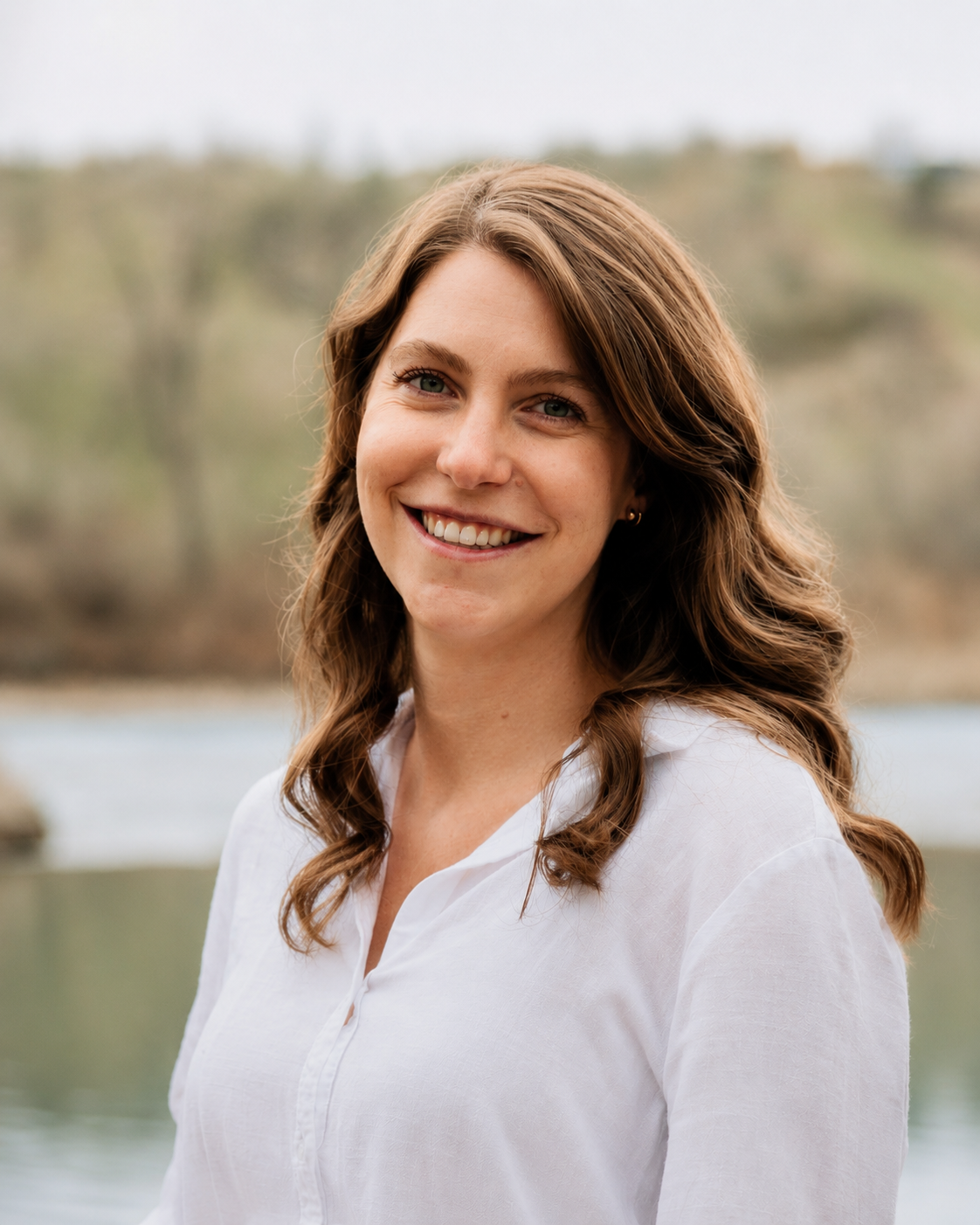
Mercedes is a PhD student in School and Applied Child Psychology at the University of Calgary, with experience across clinical, school, and community settings. She has a particular interest in neurodevelopment, including ADHD and autism, and provides psychoeducational, cognitive, and neurodevelopmental assessments. Her collaborative, neurodiversity-affirming approach helps families understand their child’s strengths, needs, and learning style. Mercedes offers psychoeducational assessments for children and teens.
Melanie Bastien - Registered Provisional Psychologist

Melanie holds a Master of Science in School and Applied Child Psychology and a Master of Arts in Child and Youth Studies. She also has extensive experience supporting youth with complex needs in the child welfare system. Her assessments explore learning, cognitive, and social-emotional concerns, and she makes a point of explaining results in practical terms, with recommendations families can actually use. Melanie offers psychoeducational assessments for children, teens, and adults.
Kassandra Burke - Registered Psychologist
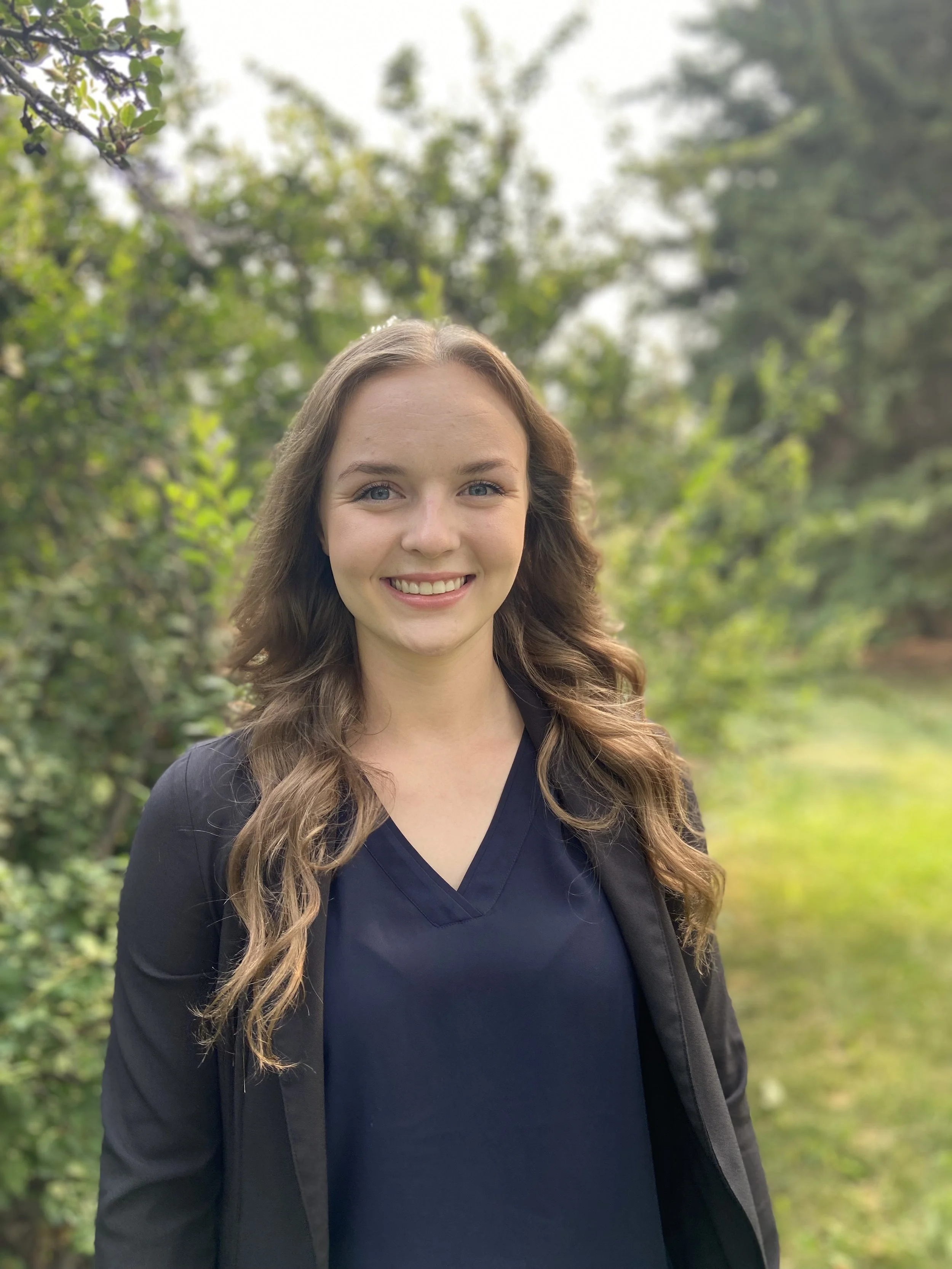
Kassandra specializes in assessment and holds a Master of Science in School and Applied Child Psychology from the University of Calgary. She completes psychoeducational, ADHD, and gifted assessments for children and adolescents. Her comprehensive, collaborative approach centres on understanding each child’s unique strengths and needs. Kassandra offers psychoeducational assessments for children, teens, and adults.
Amy Dykstra - Registered Psychologist

Amy is the owner and clinic director of Bluebird Psychology. She holds a Master of Education in School and Applied Child Psychology from the University of Calgary. She spent several years conducting psychoeducational assessments with the Calgary Board of Education and previously provided adult learning assessments through the Never Too Late Program at Catholic Family Services. Her goal is to provide comprehensive, strength-based assessments that lead to real-world strategies. Amy currently offers psychoeducational assessments for adults.
Kayla Foley - Registered Provisional Psychologist

Kayla works exclusively in assessment and brings more than seven years of hands-on experience as an educational assistant and behavioural therapist in classrooms and special education. She assesses learning disorders, giftedness, intellectual disability, and autism, as well as social-emotional concerns such as anxiety and selective mutism. Her goal is to keep the process clear and jargon-free, so families leave with a practical roadmap, not just a report. Kayla offers psychoeducational assessments for children and teens.
Shradha Suri - Registered Provisional Psychologist

Shradha brings more than ten years of experience supporting children with autism, ADHD, developmental delays, and learning challenges, with work spanning Canada, the UAE, and India. She holds a Master of Research in Psychology, specializing in autism, from the University of Bath (UK) and a Master of Arts in Psychology from Panjab University (India). She works closely with families, schools, and other professionals to turn assessment findings into everyday supports at home and in the classroom. Shradha provides services in English, Hindi, and Punjabi, and offers psychoeducational assessments for children, teens, and adults.
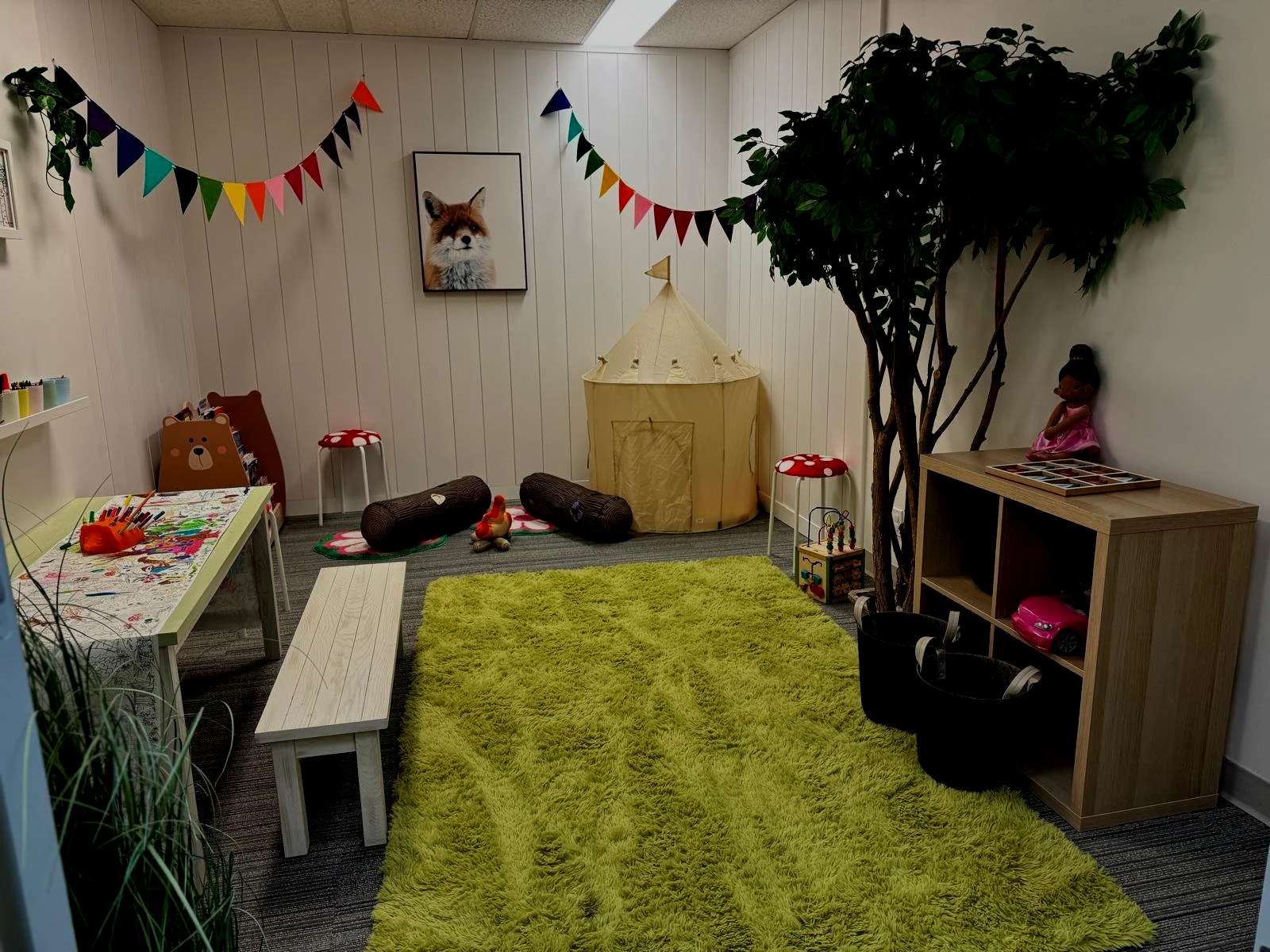
Not sure whether a psychoeducational assessment is the right next step? Book a free 15-minute consultation and we'll help you figure out what your child needs and answer your questions.
Have questions?
We’re here to help!
Email us: office@bluebirdpsychology.ca
Call us: (587) 288-6884Schedule a free 15-minute consultation with one of our psychologists here.
We are located at 277, 200 Rivercrest Dr. SE in Calgary, AB